Welcome to


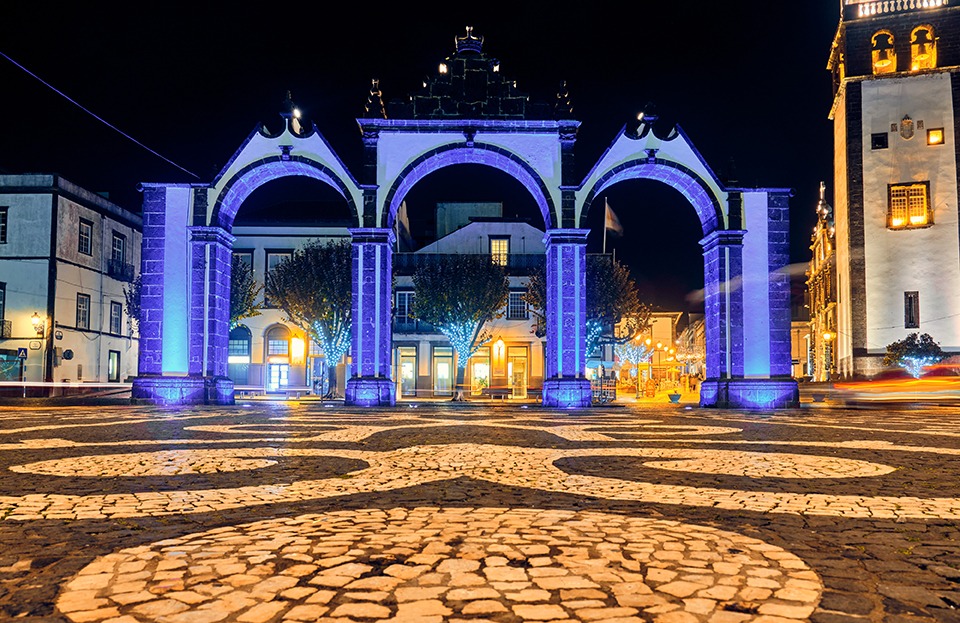
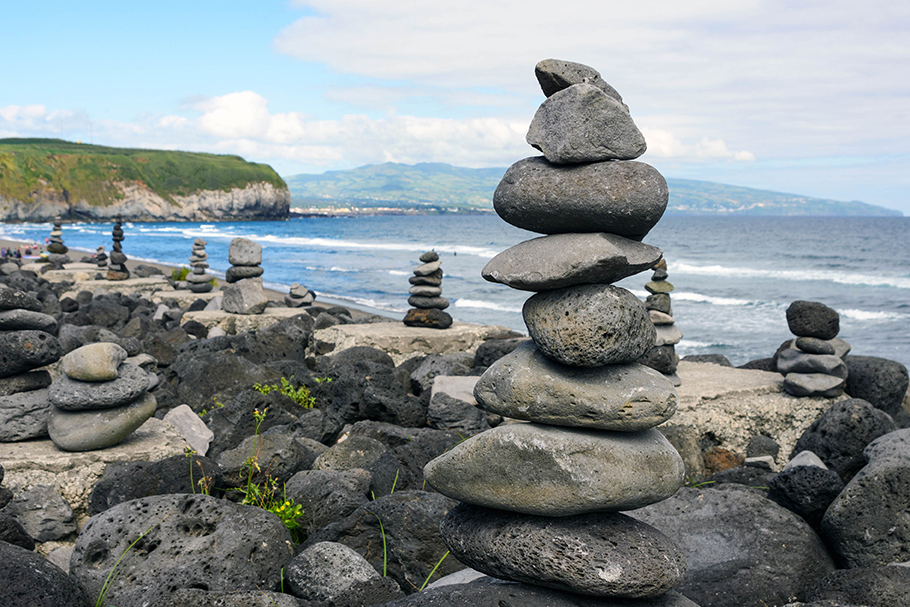
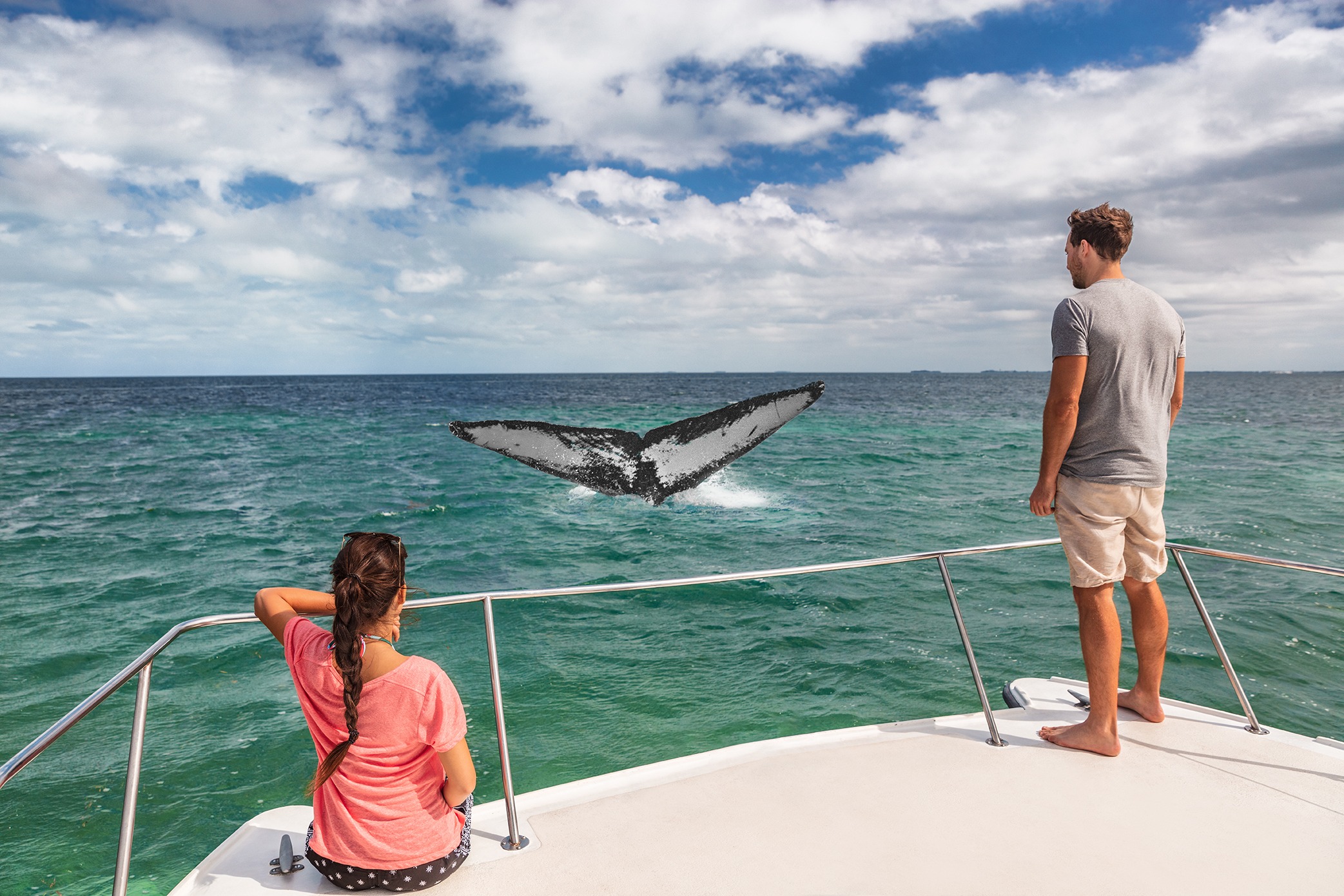
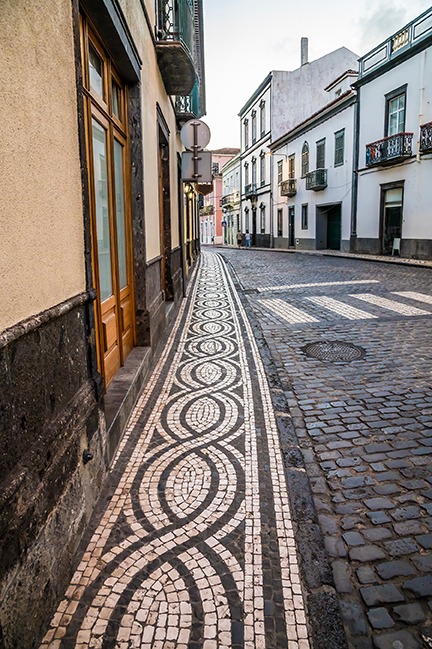

Experience Portugal’s Atlantic paradise
The Azores Islands:
Your Complete Guide to Portugal's Atlantic Paradise
Welcome to the Azores Islands, Portugal’s spectacular nine-island volcanic archipelago in the heart of the North Atlantic Ocean. Whether you’re planning your first Azores vacation, researching your family’s Portuguese heritage, or returning to the islands you call home, our guides will help you discover the very best of the Azores—from dramatic volcanic landscapes and crater lakes to charming villages, unforgettable festivals, and authentic island traditions.
Located approximately 1,500 km (930 miles) west of Lisbon, the Azores comprise nine unique islands, each offering its own blend of dramatic landscapes, rich history, outdoor adventure, and authentic Portuguese culture.
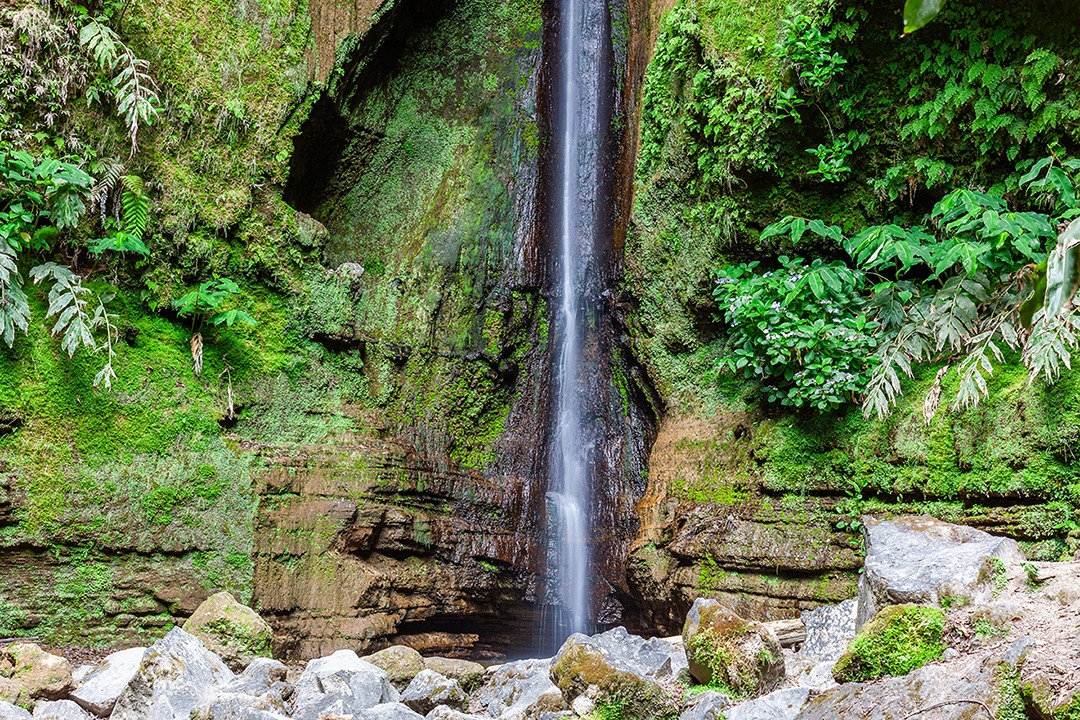
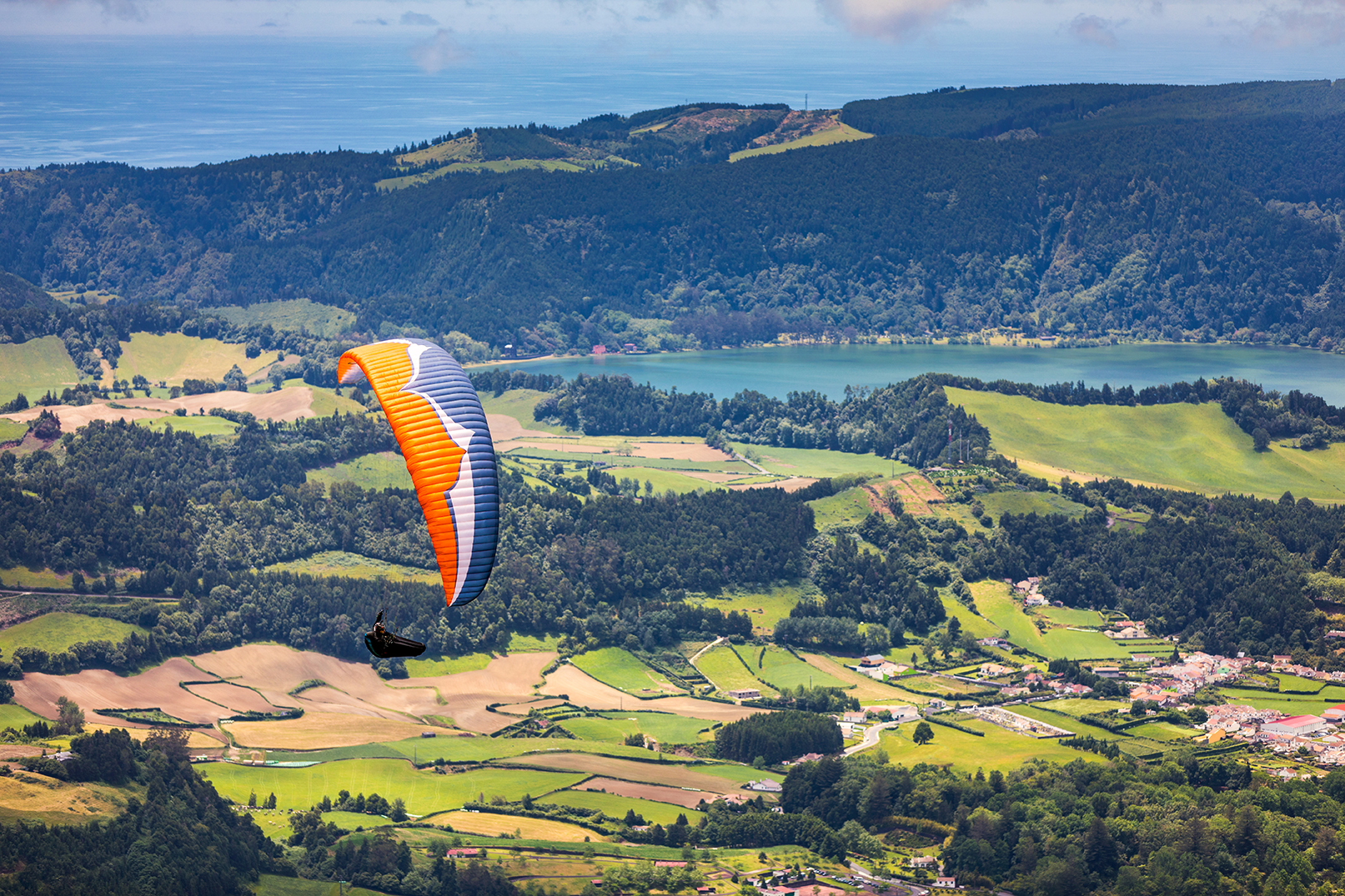
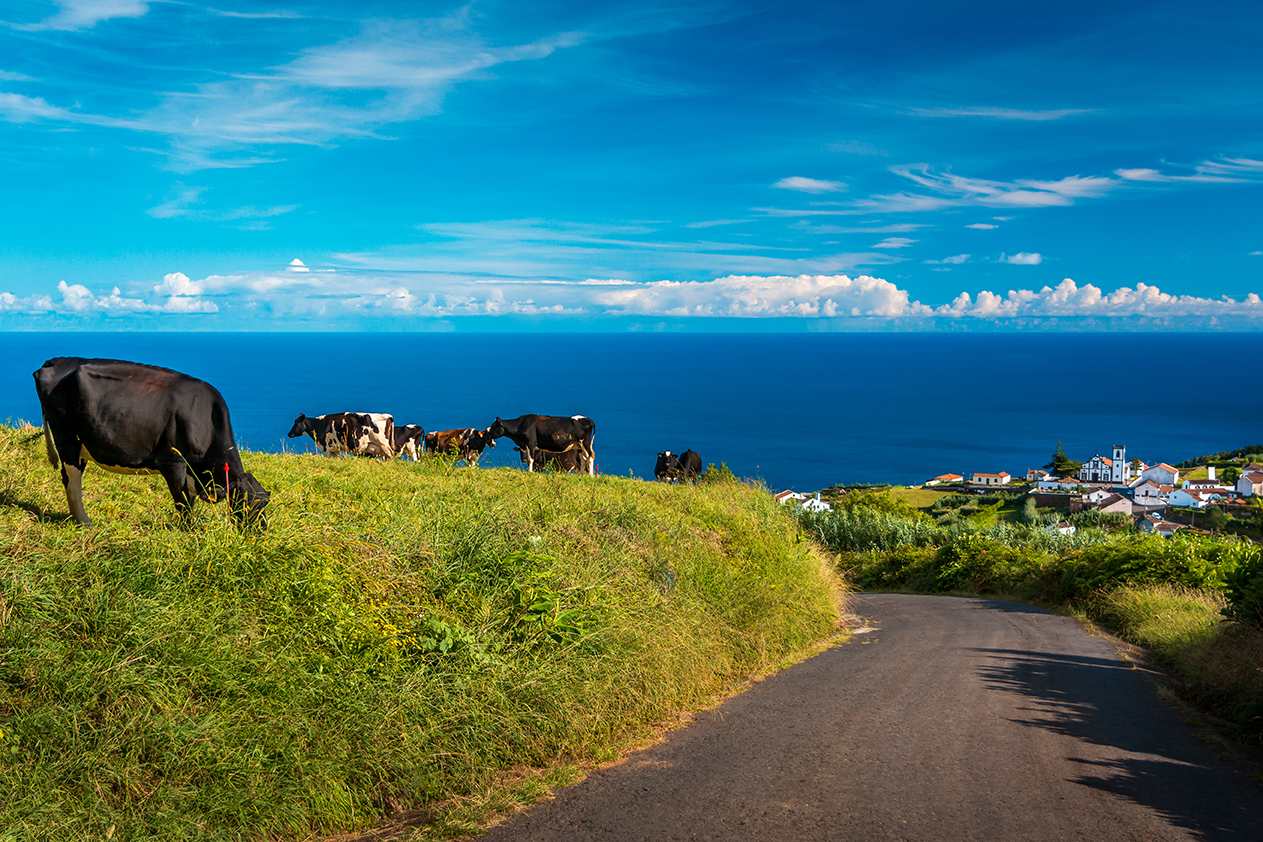
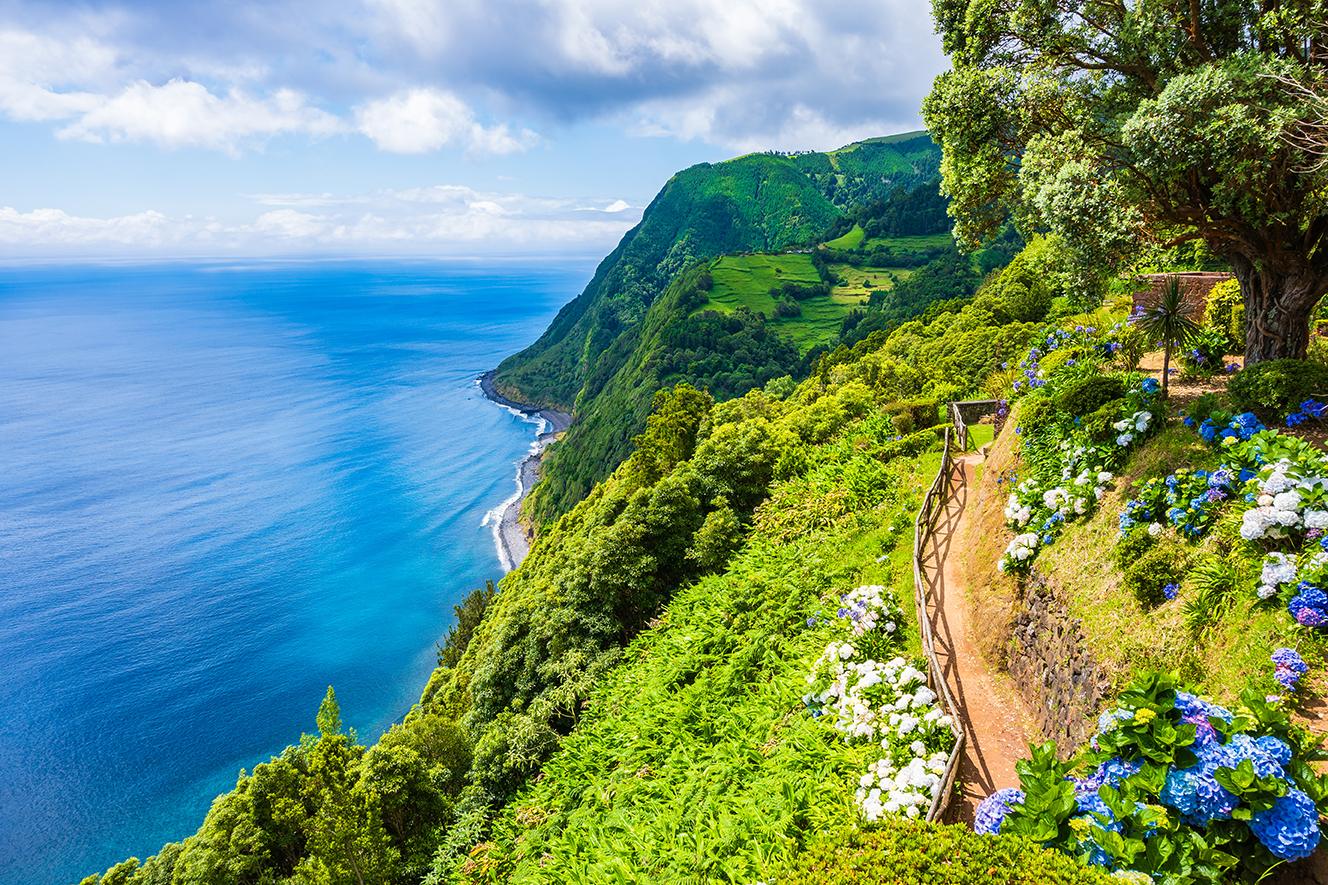
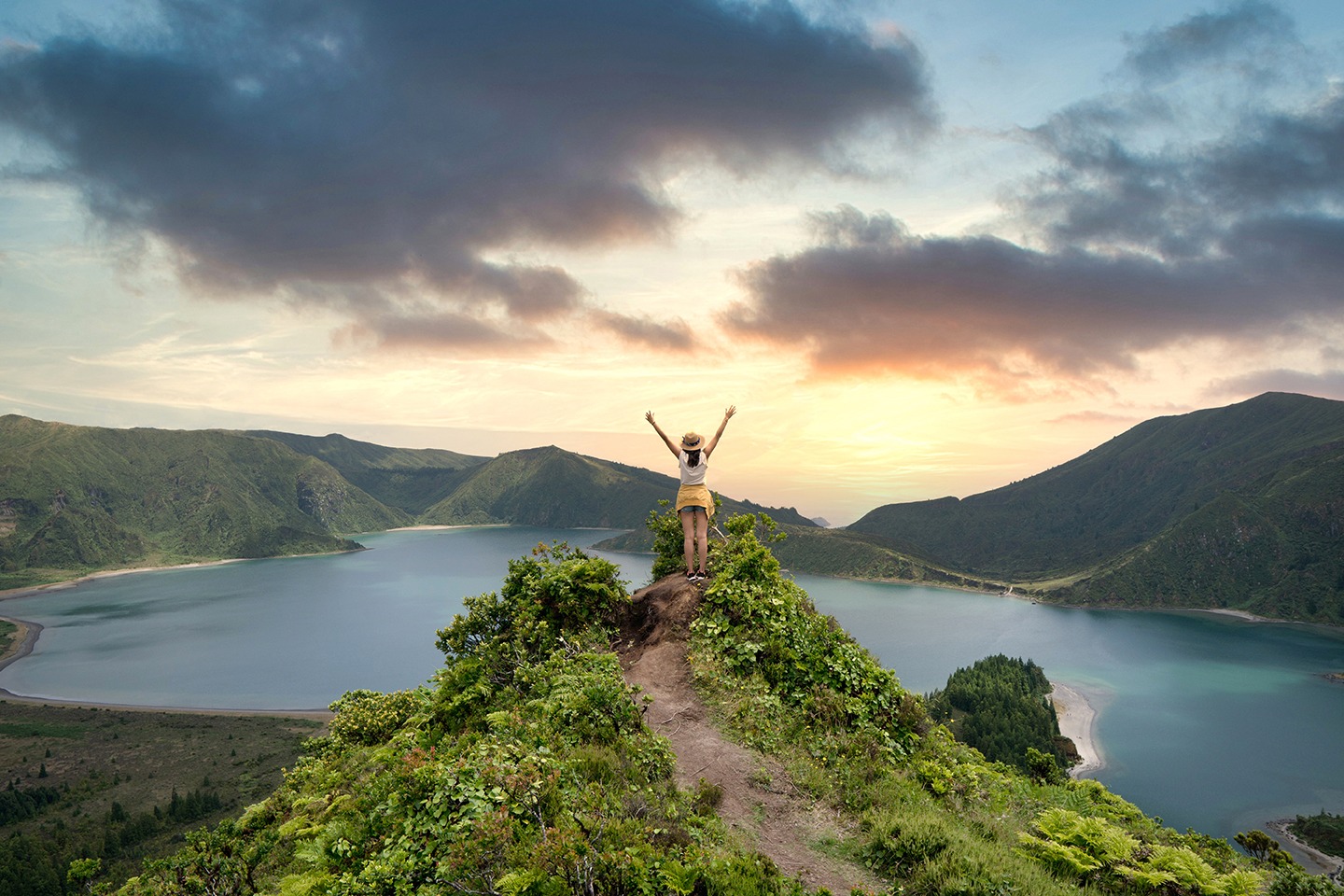
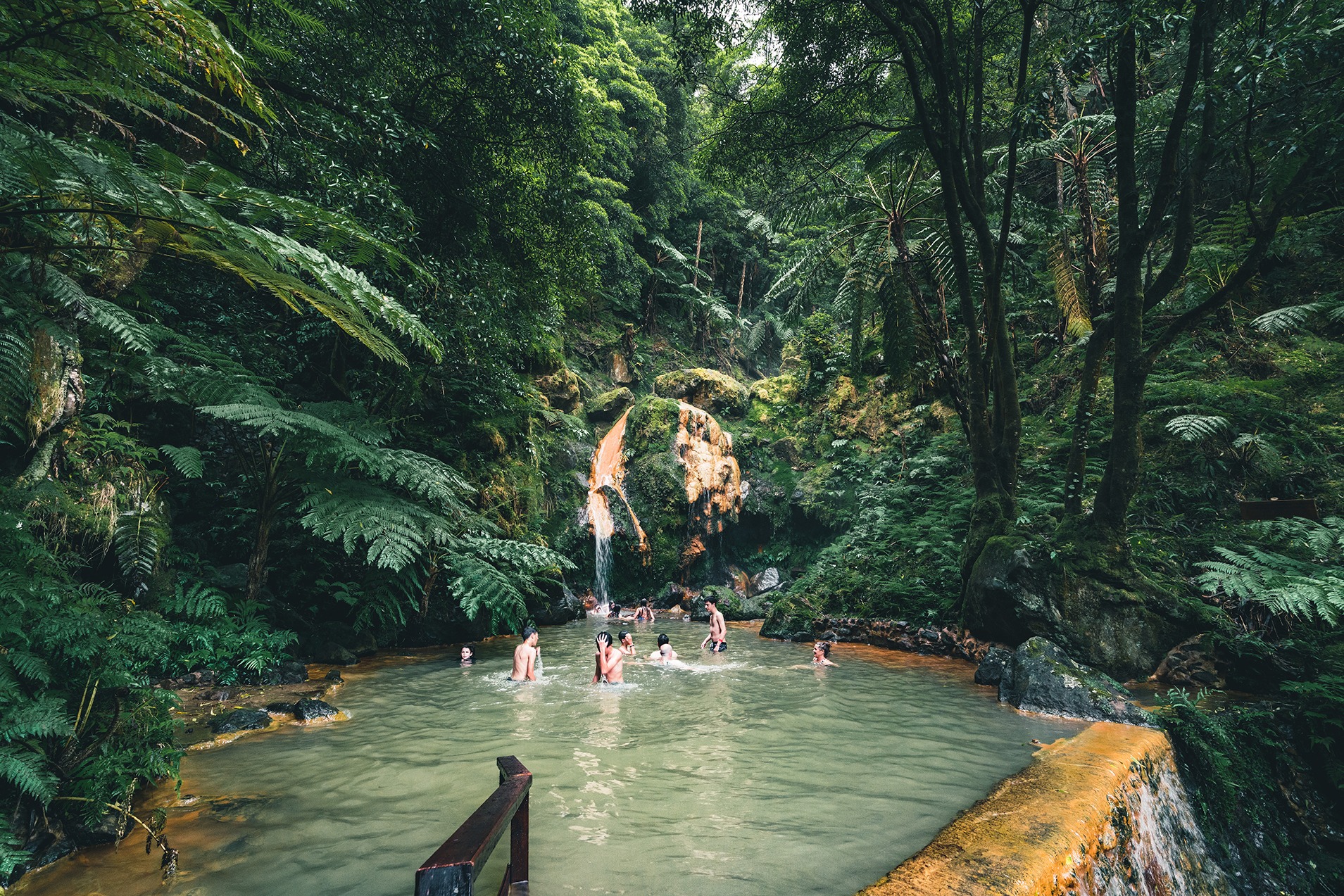
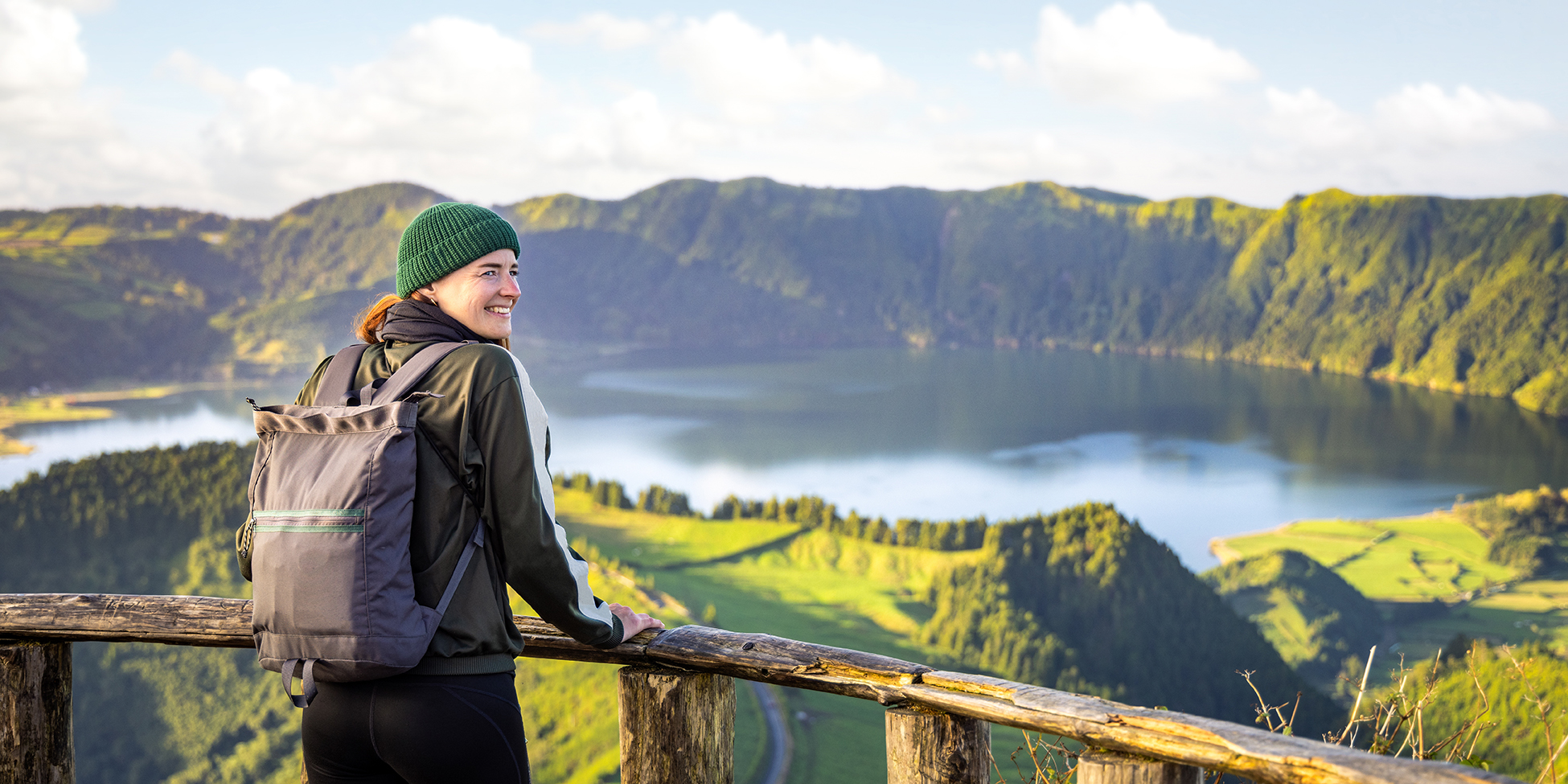
Often called the “Hawaii of Europe,” the Azores are famous for emerald-green crater lakes, volcanic peaks, natural hot springs, waterfalls, whale-watching, hiking trails, black-lava vineyards, and charming seaside villages. Whether you’re planning your first trip, tracing your family’s Portuguese roots, or returning to visit the islands you call home, you’ll find something unforgettable waiting on every island.
Why Visit the Azores?
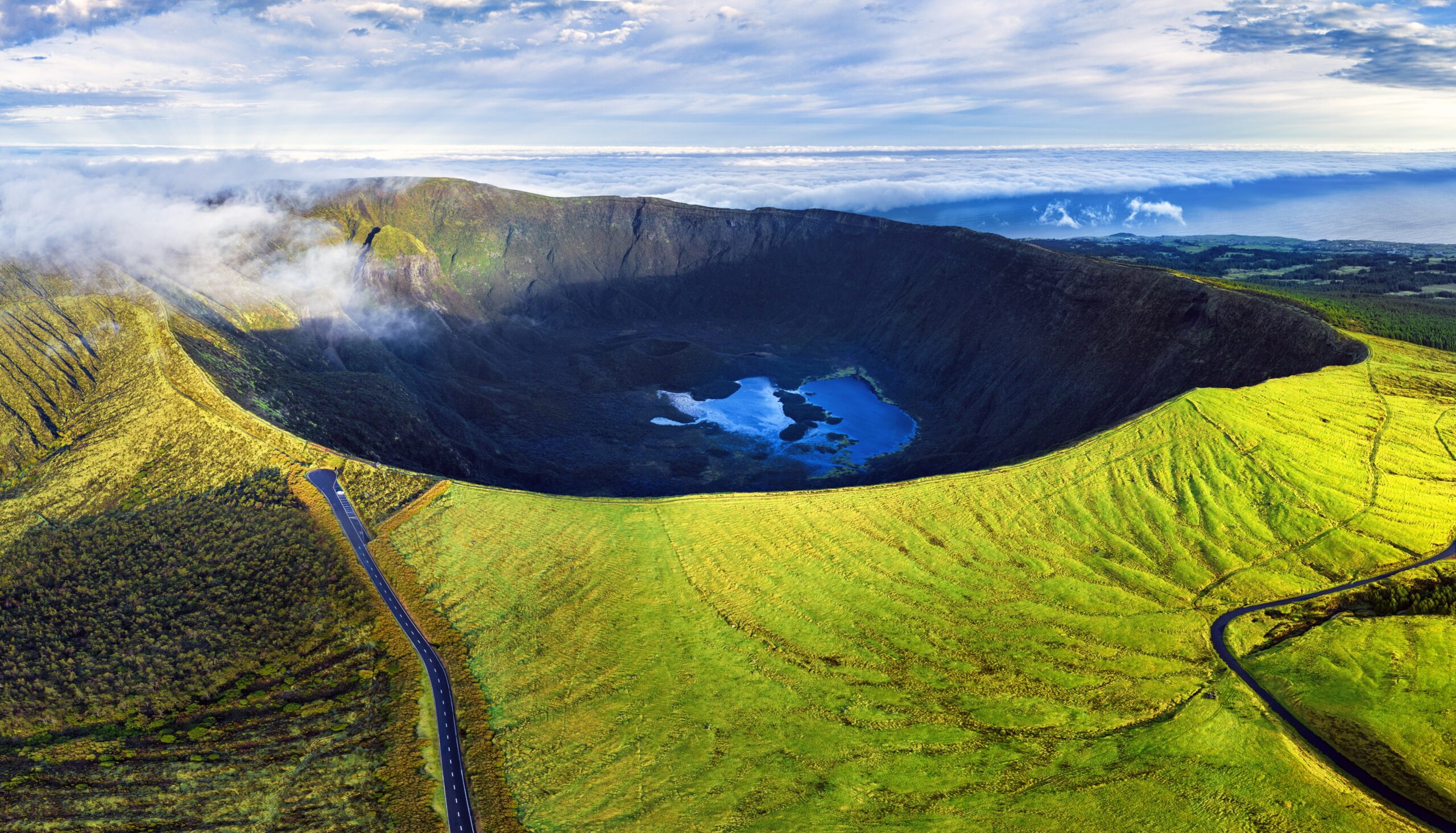
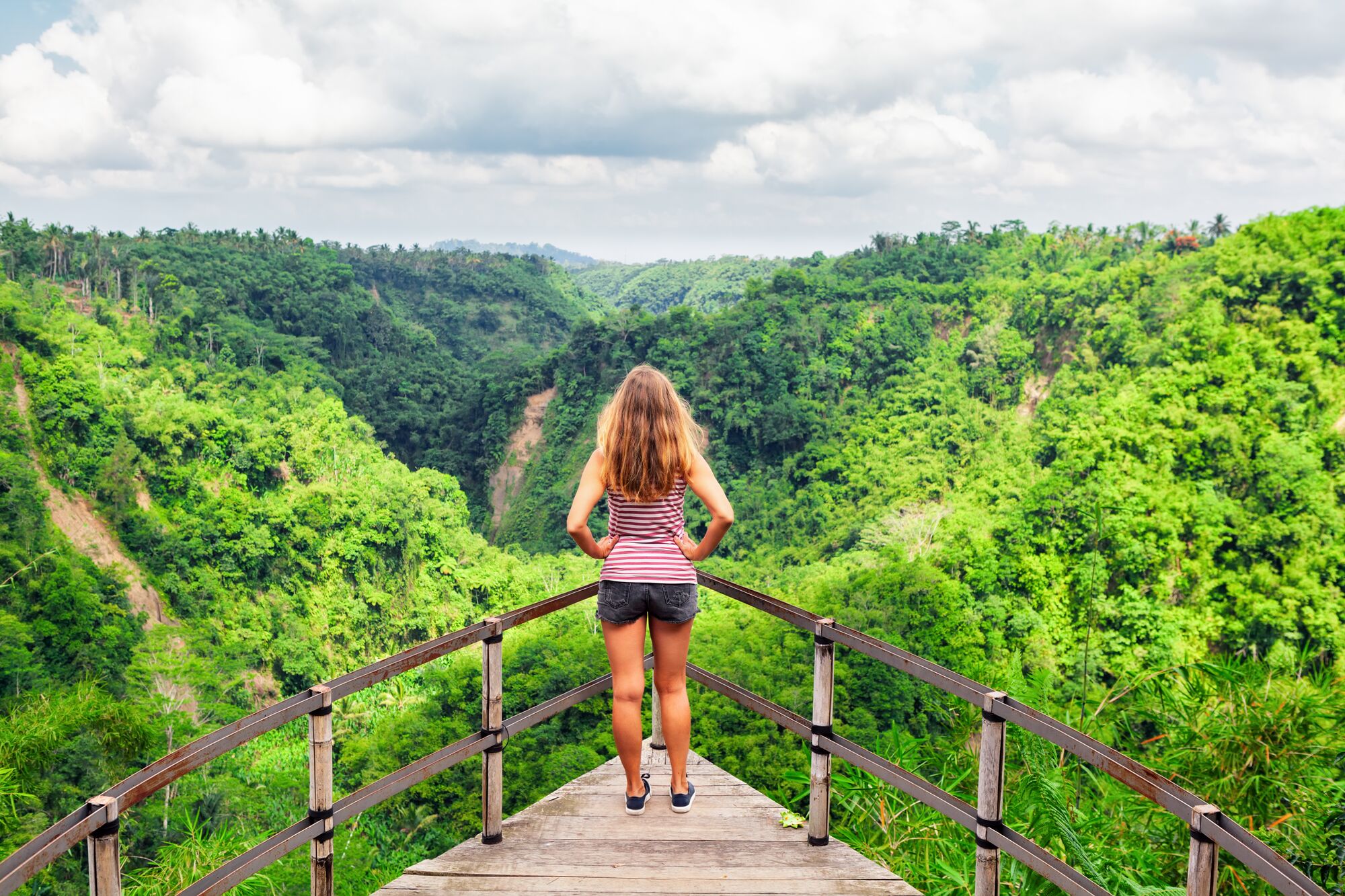
Spectacular Natural Wonders
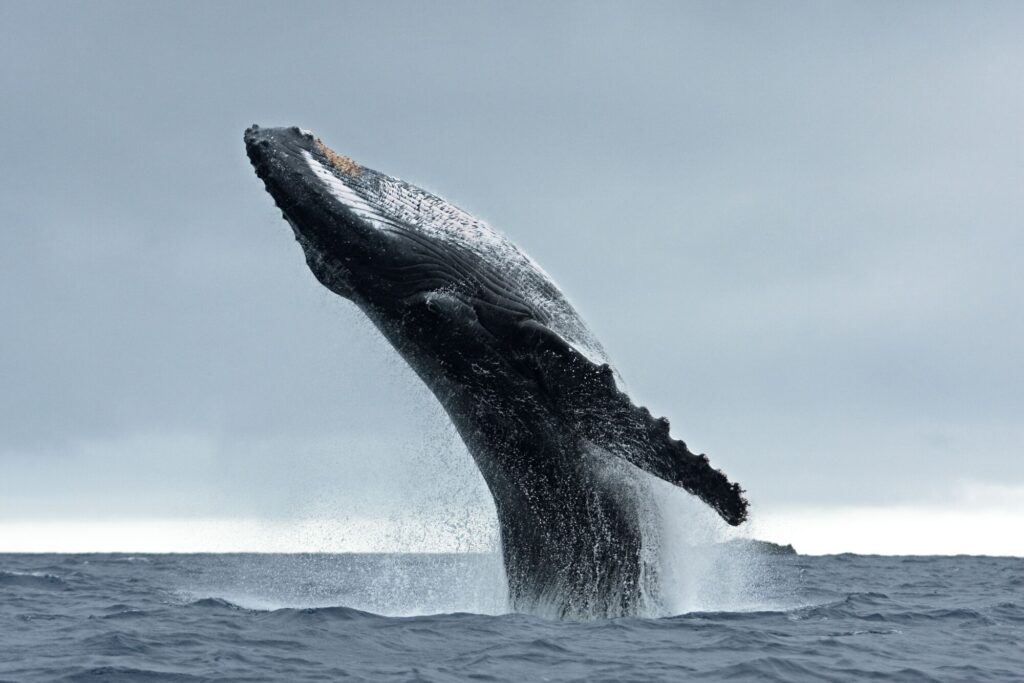
Wildlife and Outdoor Adventures
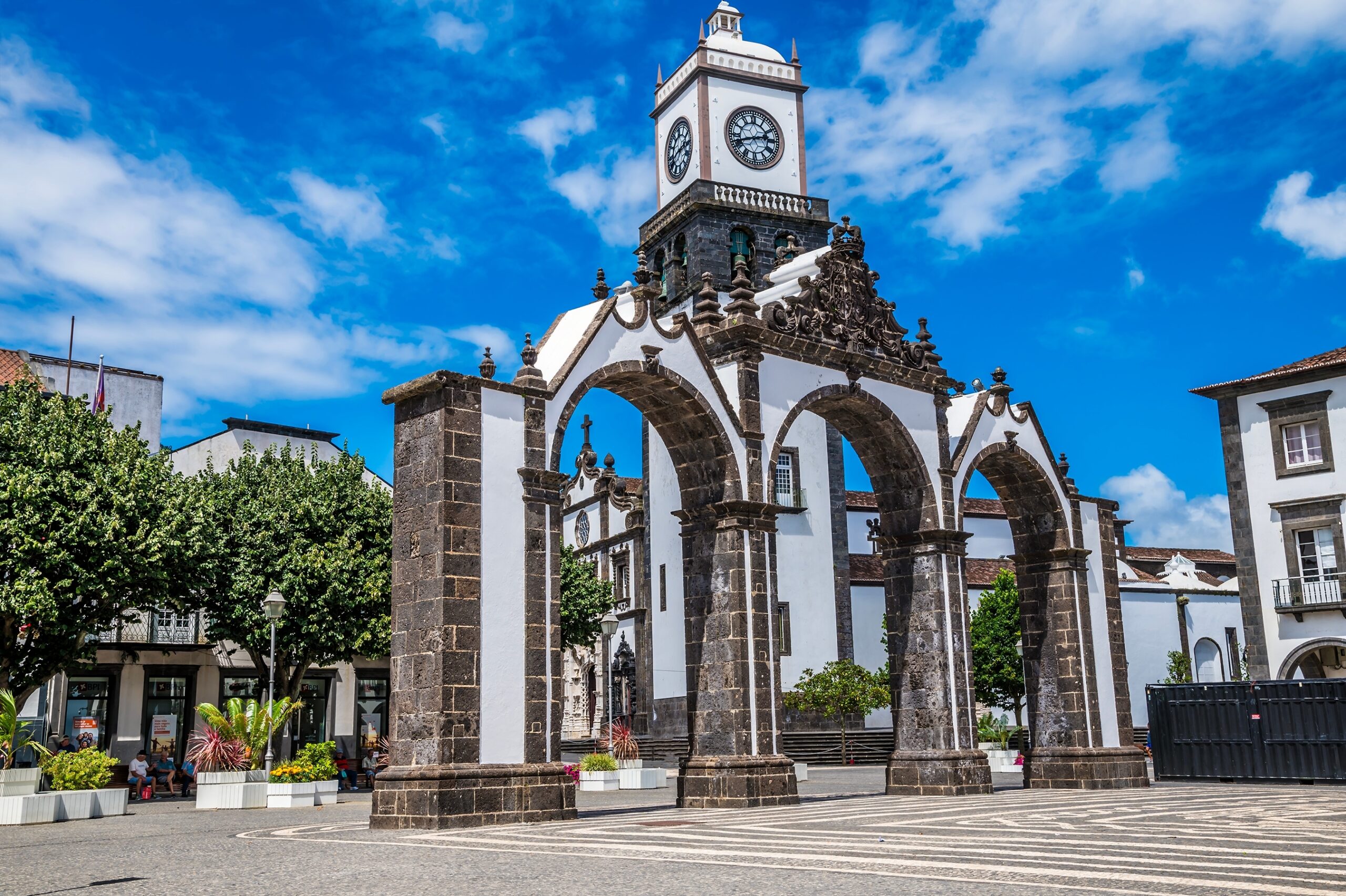
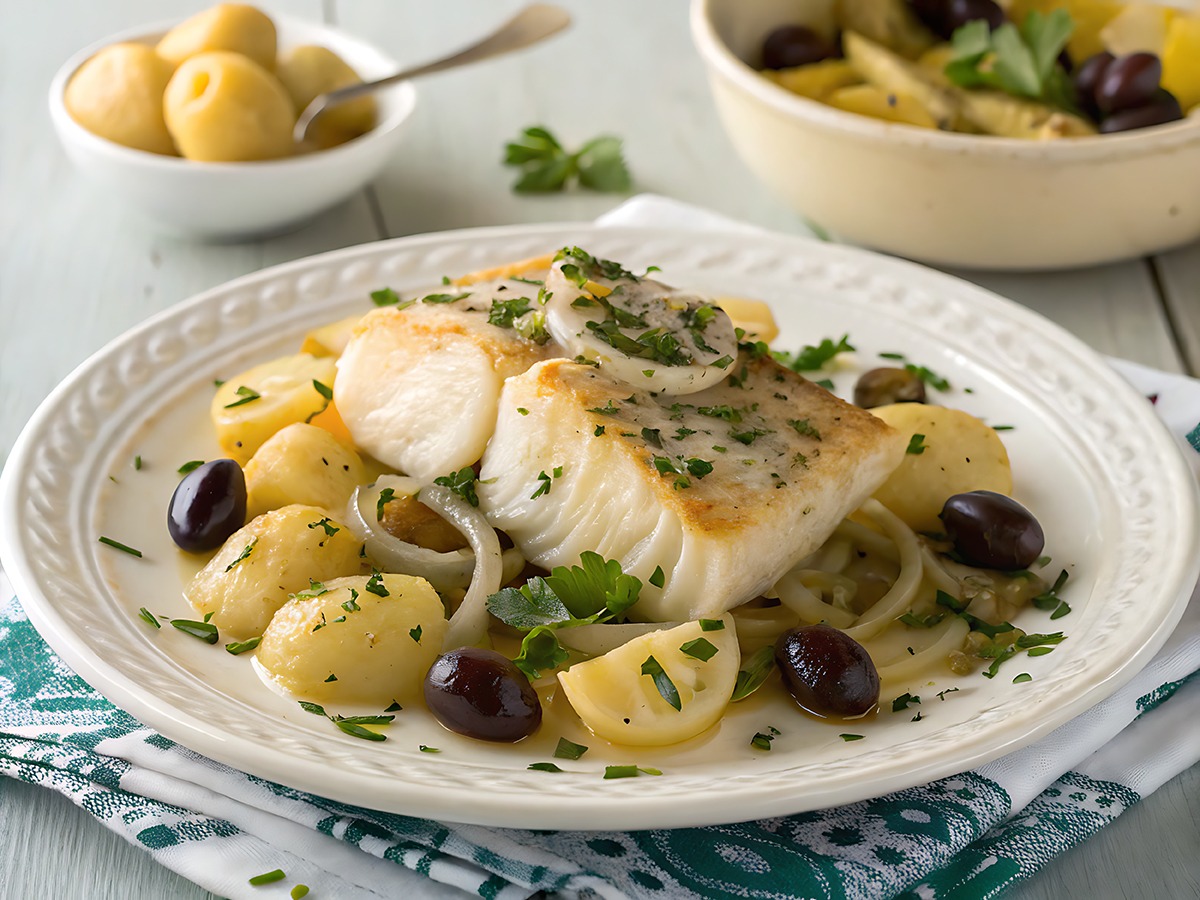
Culture, Heritage, and Local Flavors
Explore the Nine Azores Islands
Although the islands share Portuguese culture and volcanic origins, each offers its own personality, landscapes, traditions, and experiences. Many visitors return year after year to explore a different island.
Click on any island below to explore detailed travel guides, attractions, festivals, local events, and insider tips.
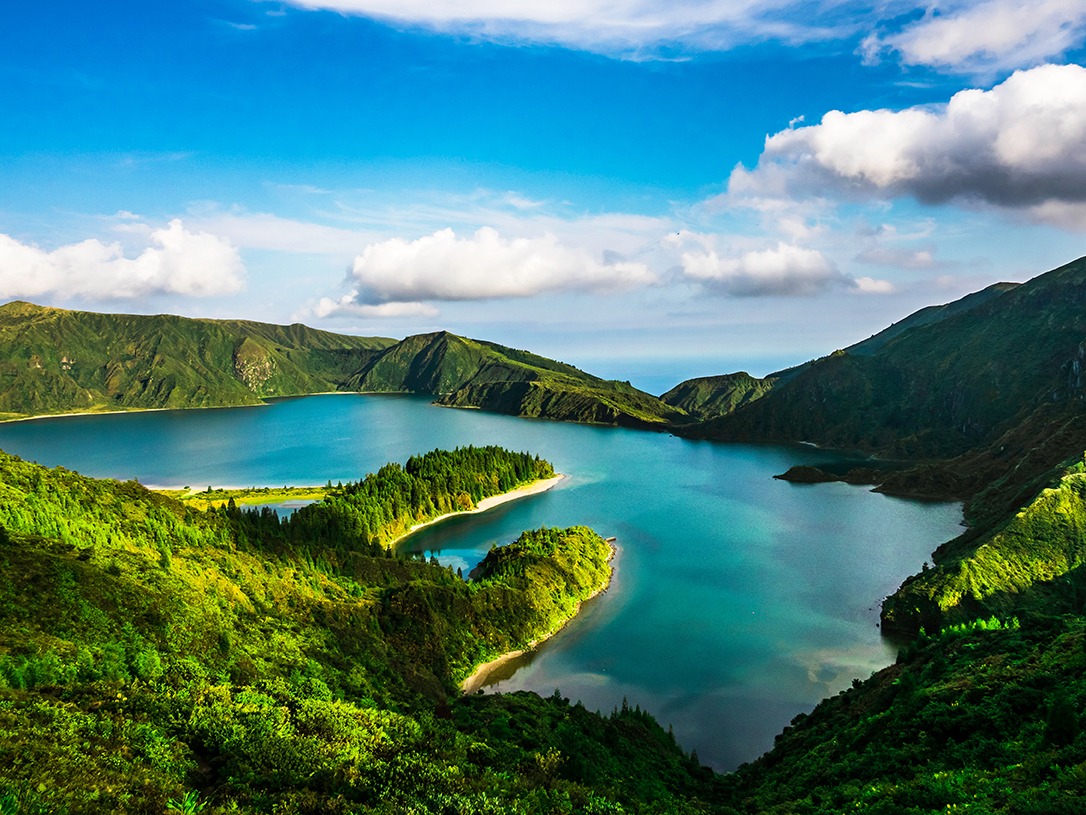
São Miguel
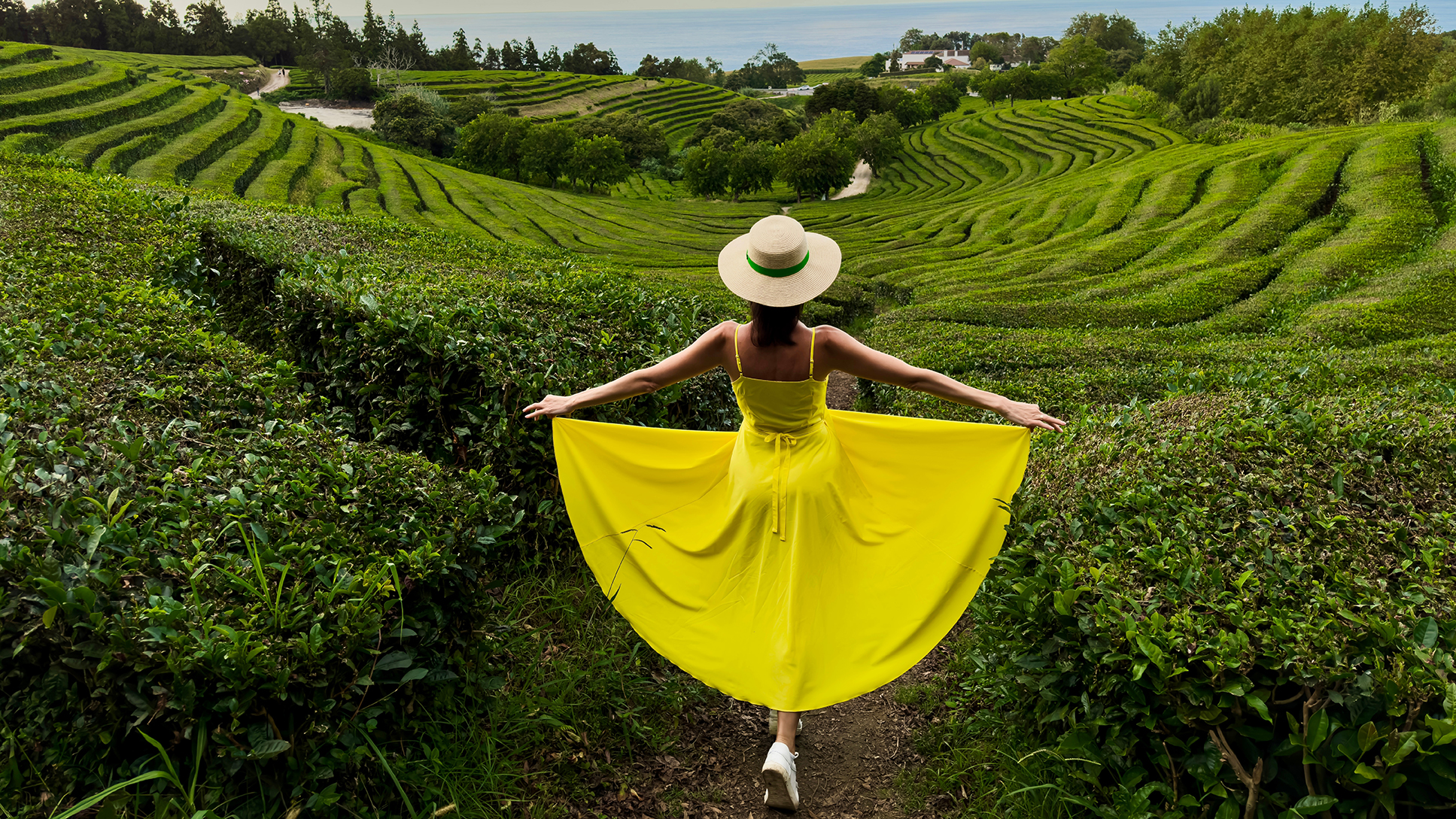
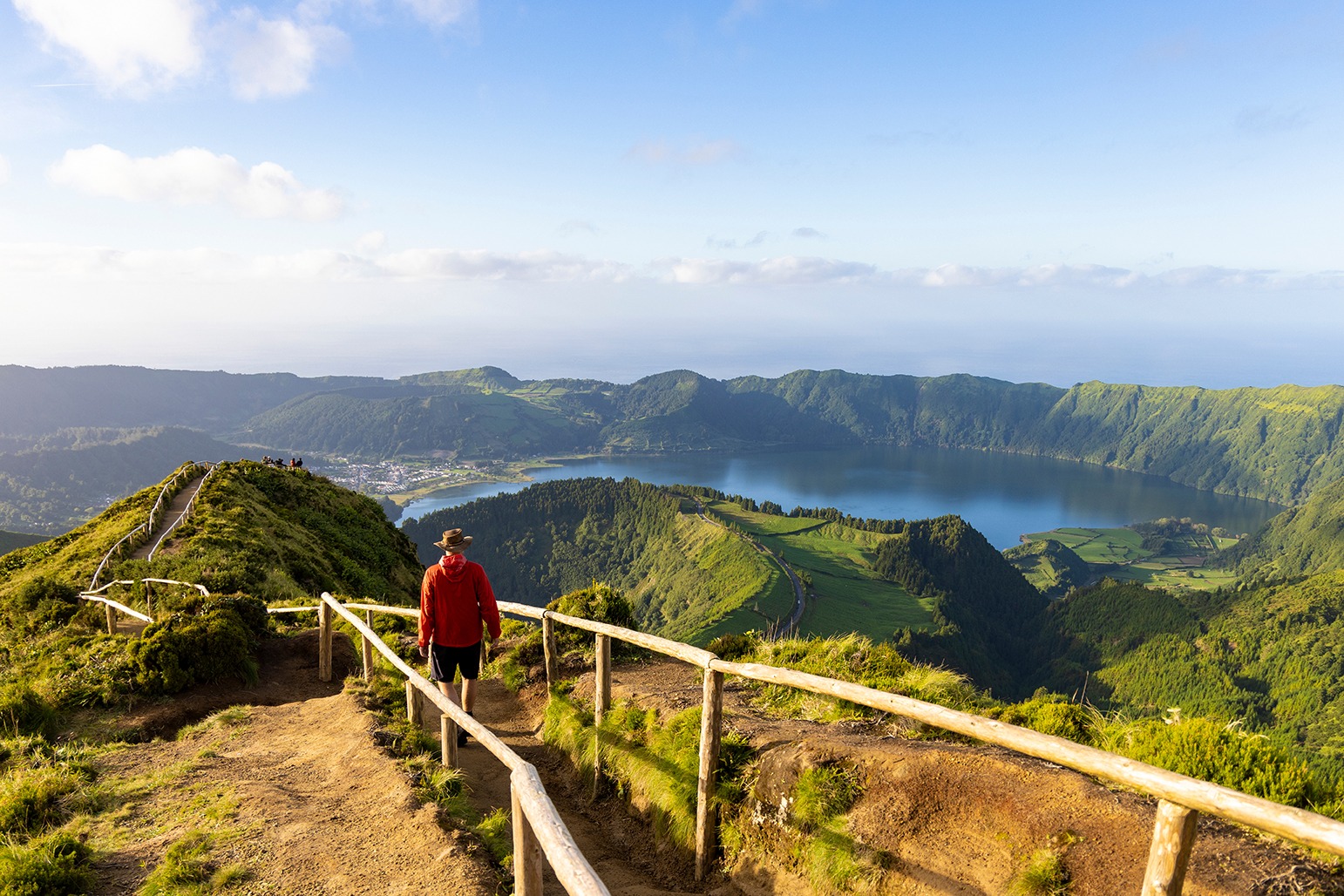
The largest island in the Azores, São Miguel, is famous for the breathtaking crater lakes of Sete Cidades, Furnas geothermal hot springs, Europe’s oldest tea plantations, whale watching, and vibrant coastal cities.
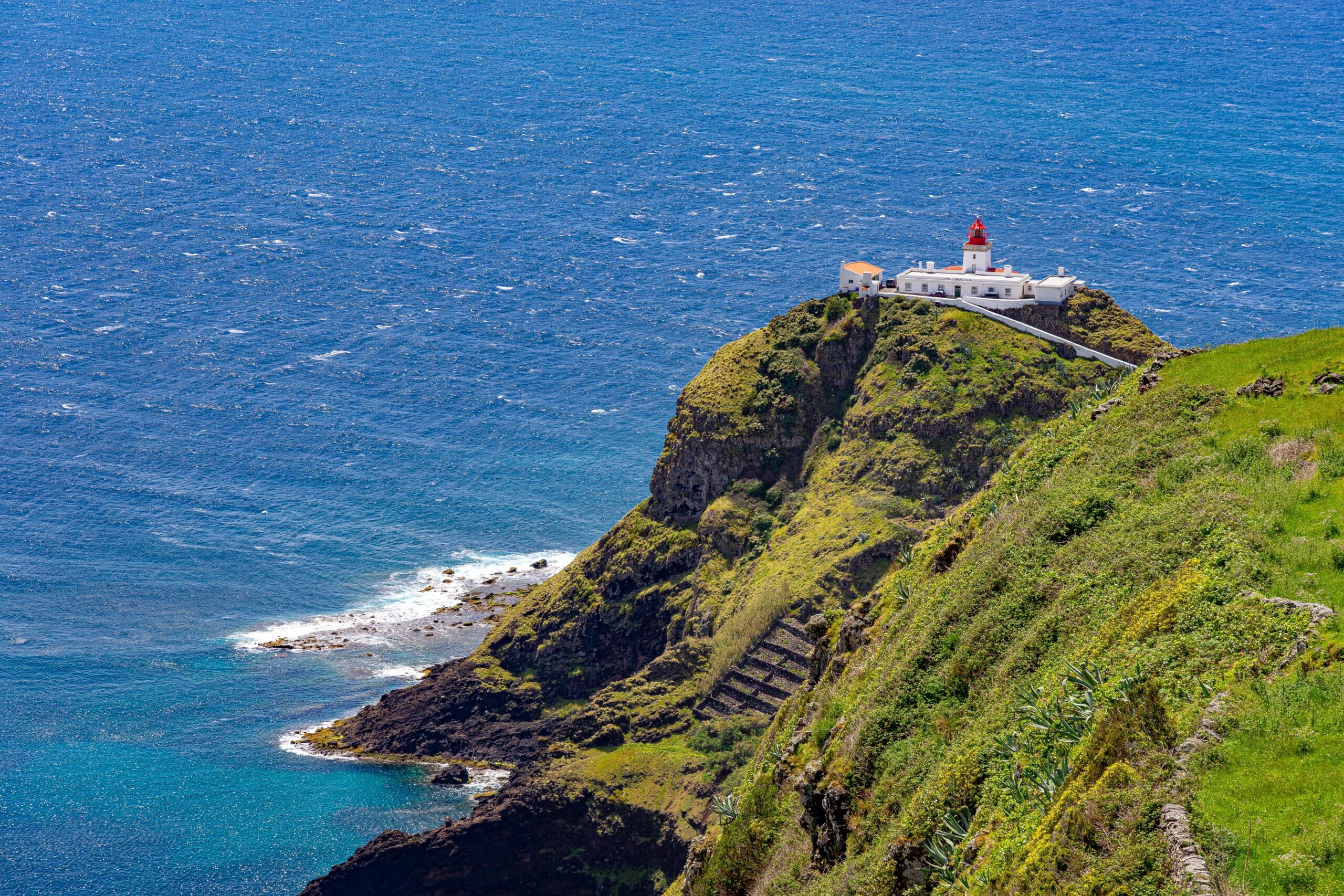
Santa Maria
Known as the “Sun Island,” Santa Maria enjoys warmer weather and is home to the archipelago’s best white sand beaches, crystal-clear waters, and scenic coastal hiking trails.
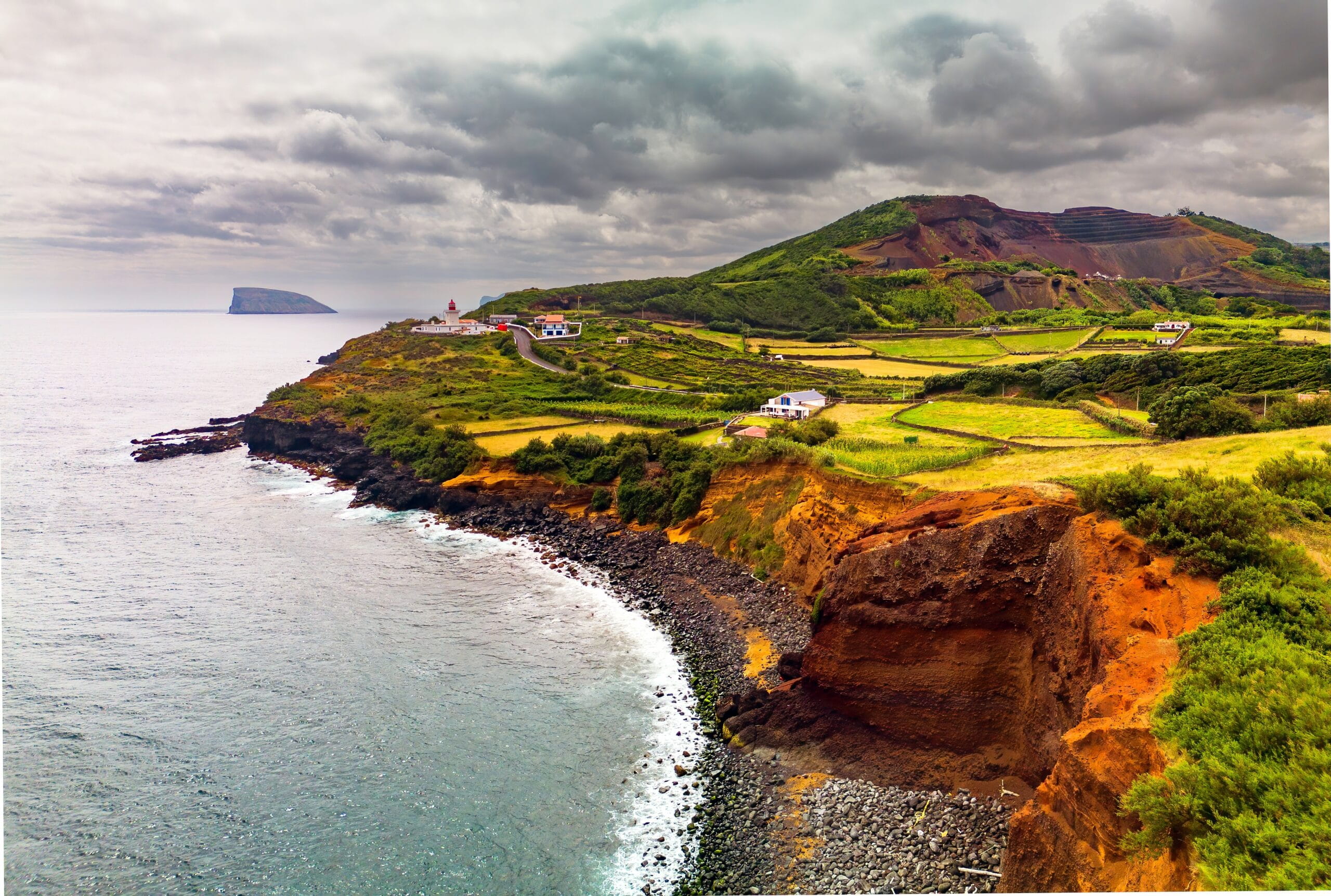
Terceira
Discover colorful streets, Portuguese history, and the UNESCO World Heritage city of Angra do Heroísmo. Terceira is also known for its lively festivals, volcanic caves, and unique island traditions.
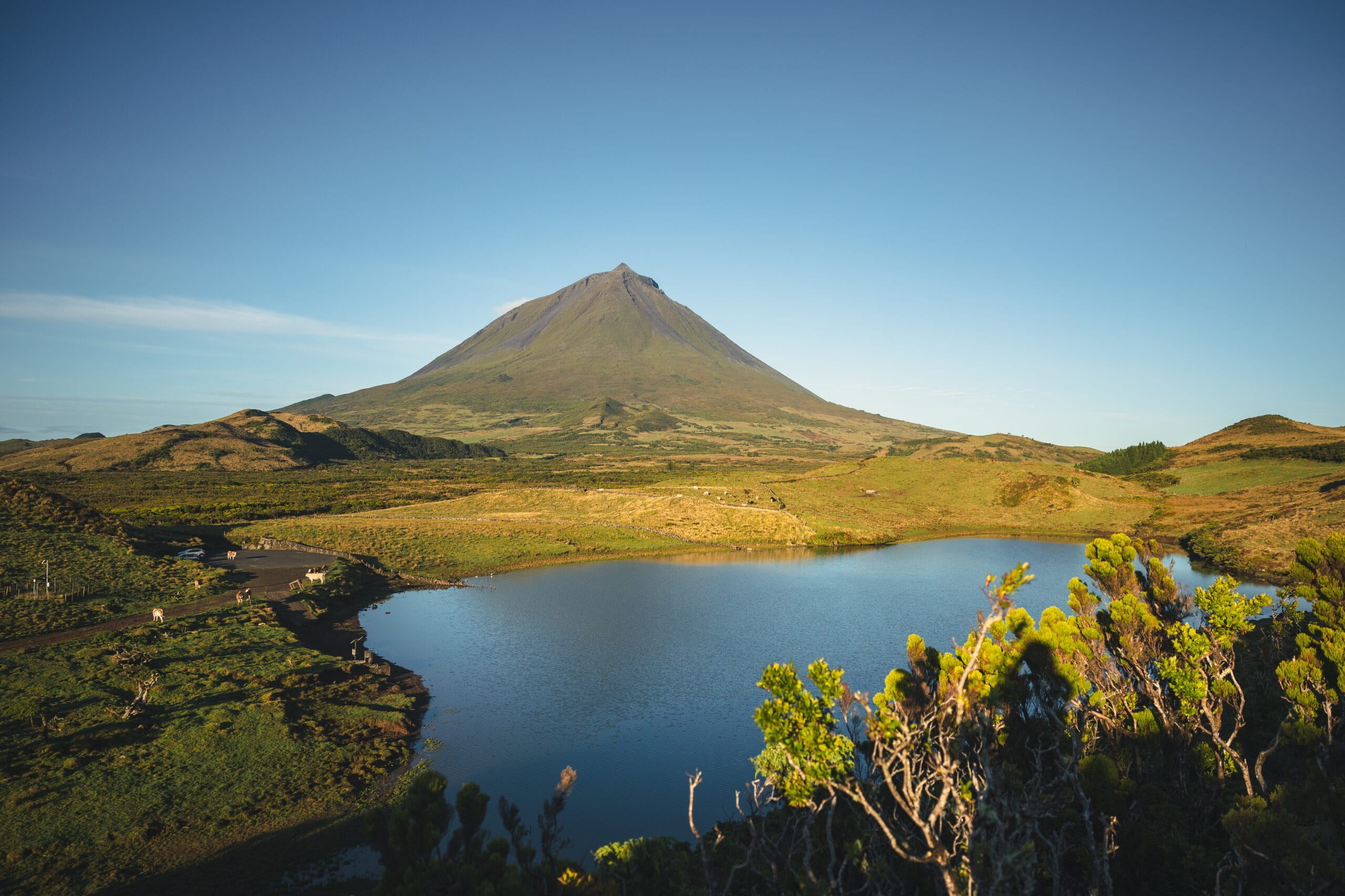
Pico
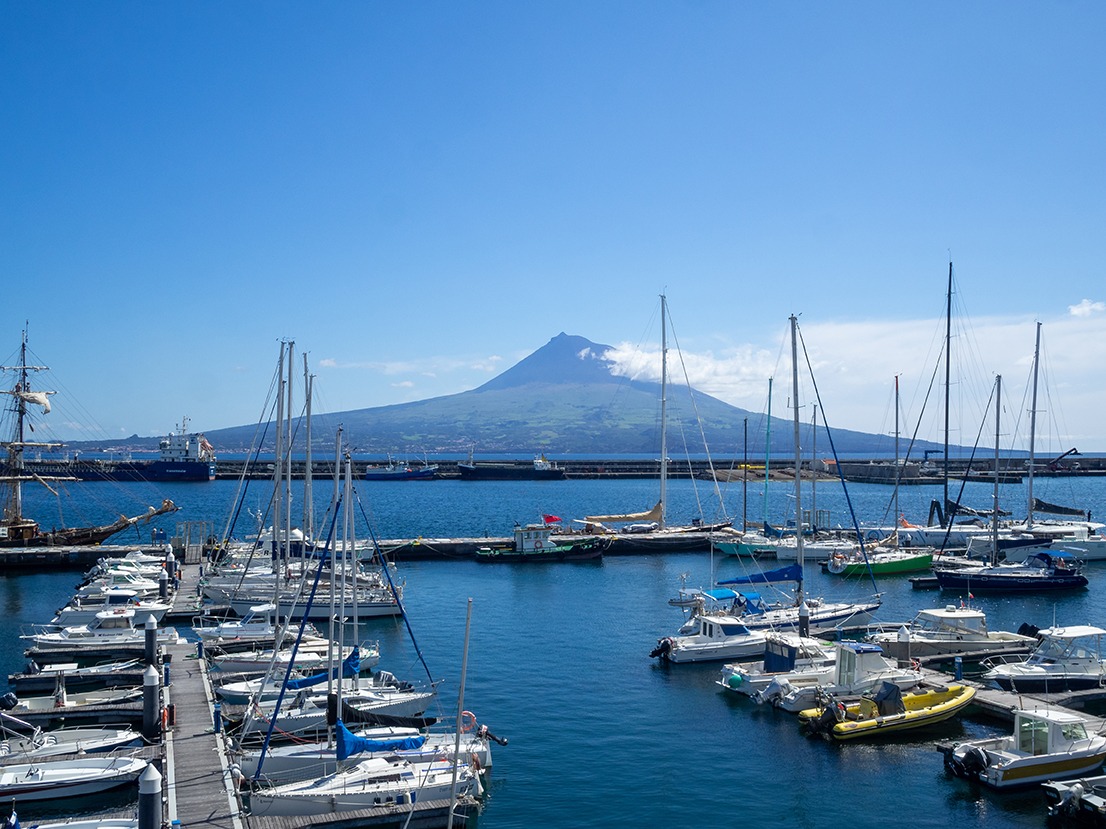
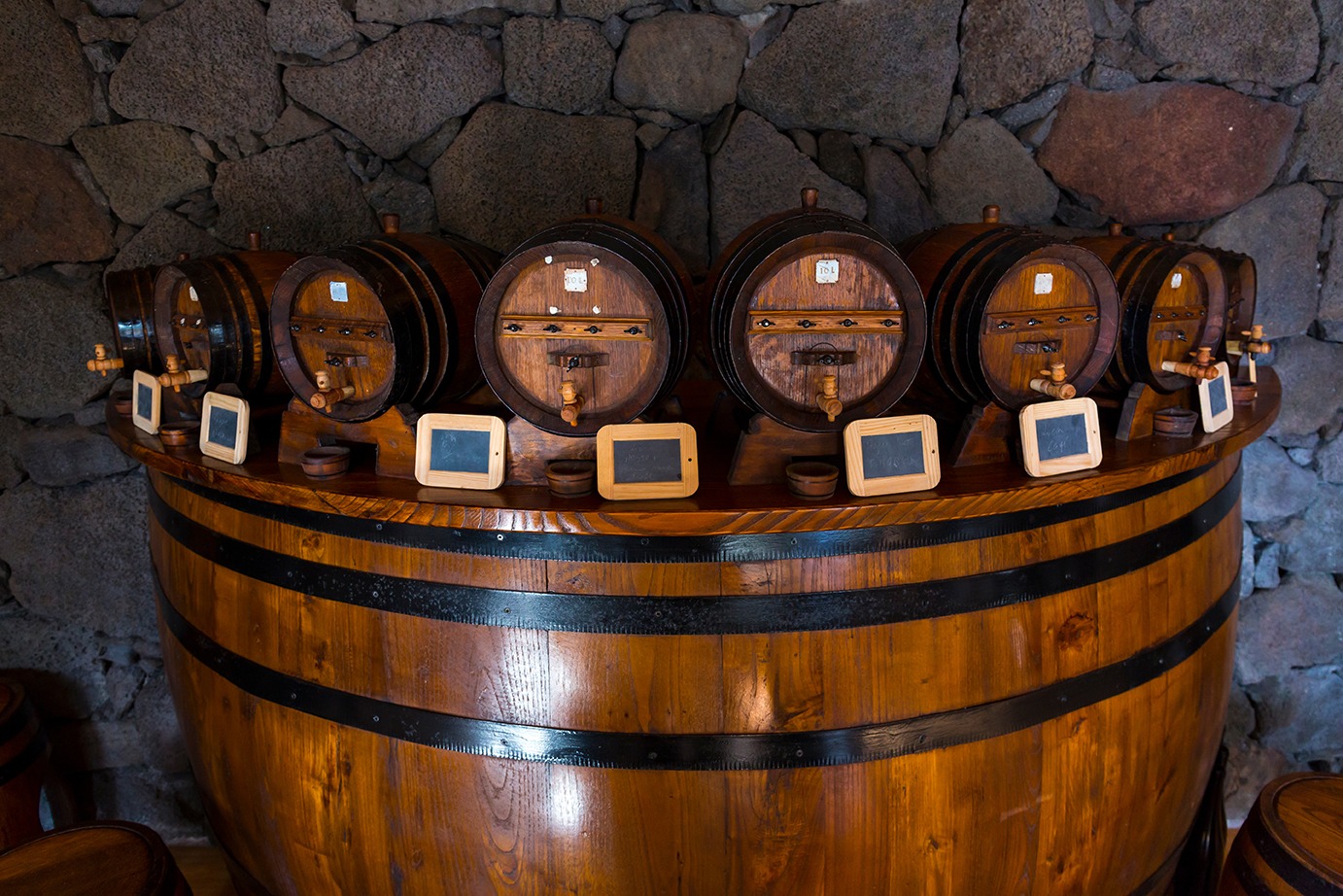
Dominated by Portugal’s highest mountain, Pico Island is world-famous for hiking, whale watching, lava vineyards, and award-winning wines grown among centuries-old volcanic stone walls.
Faial
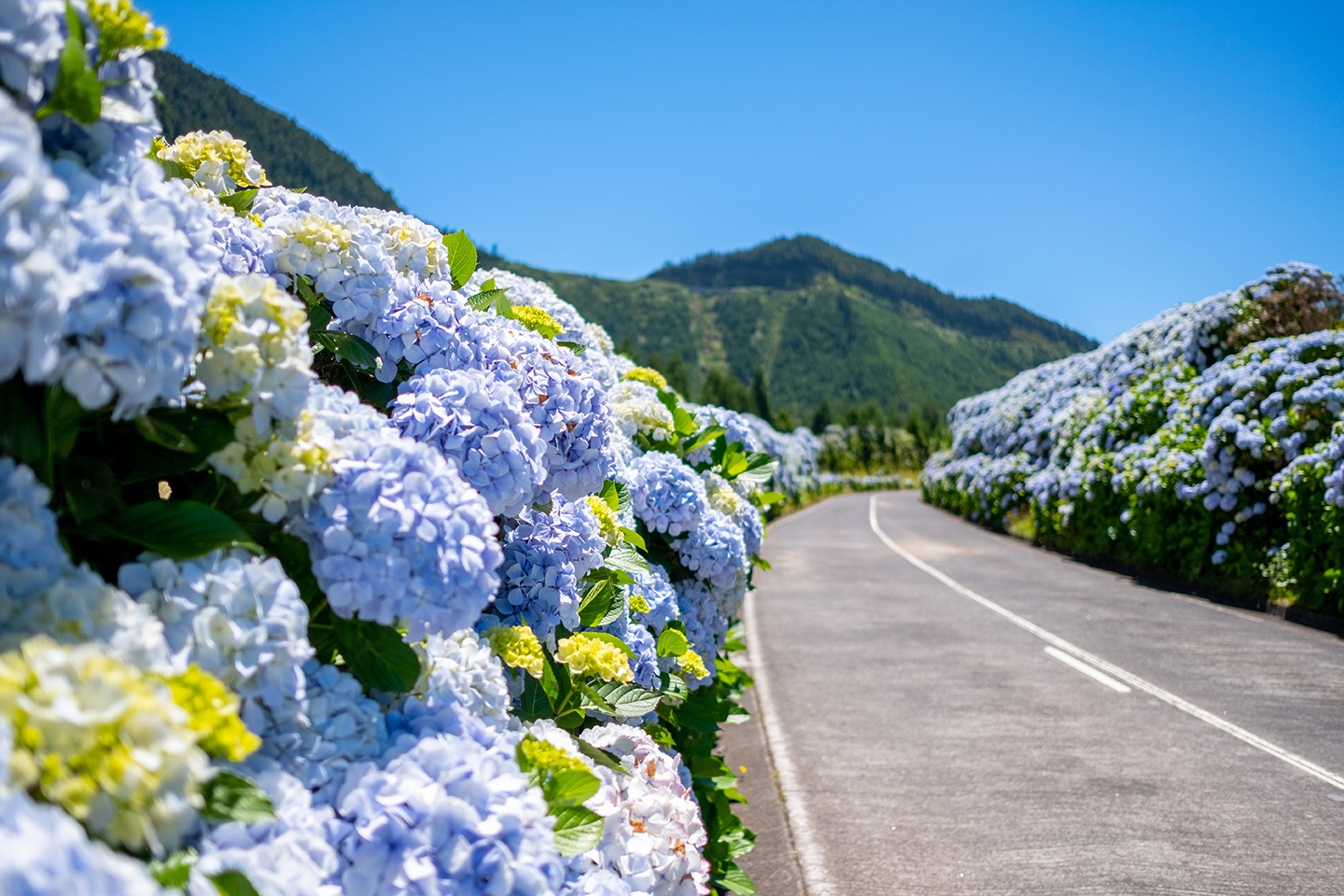
Known as the “Blue Island,” Faial is home to the legendary Horta Marina, colorful hydrangeas, volcanic landscapes, and one of the Atlantic’s most famous sailing destinations.
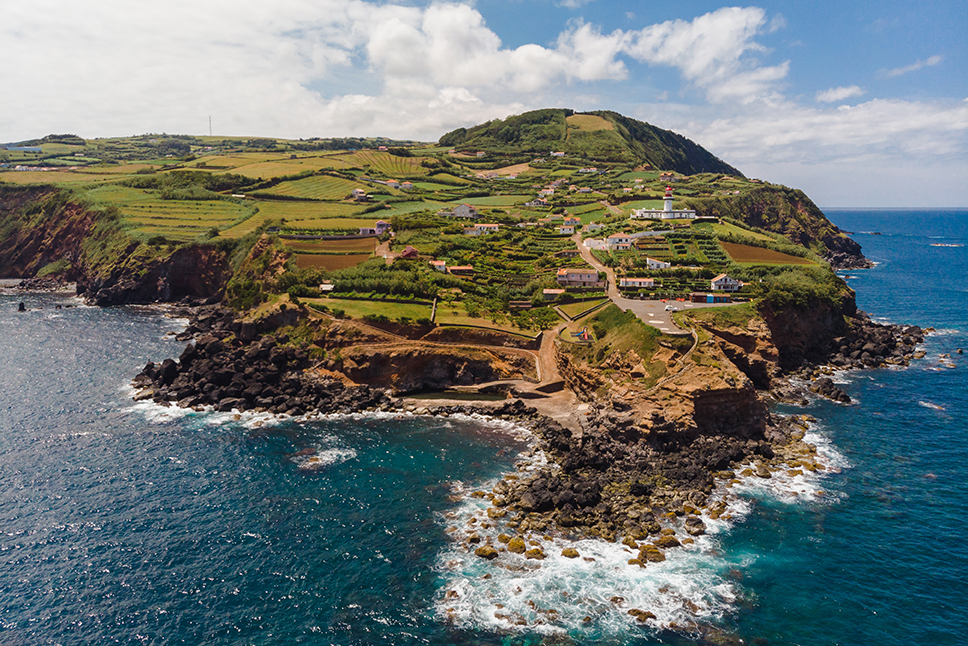
São Jorge
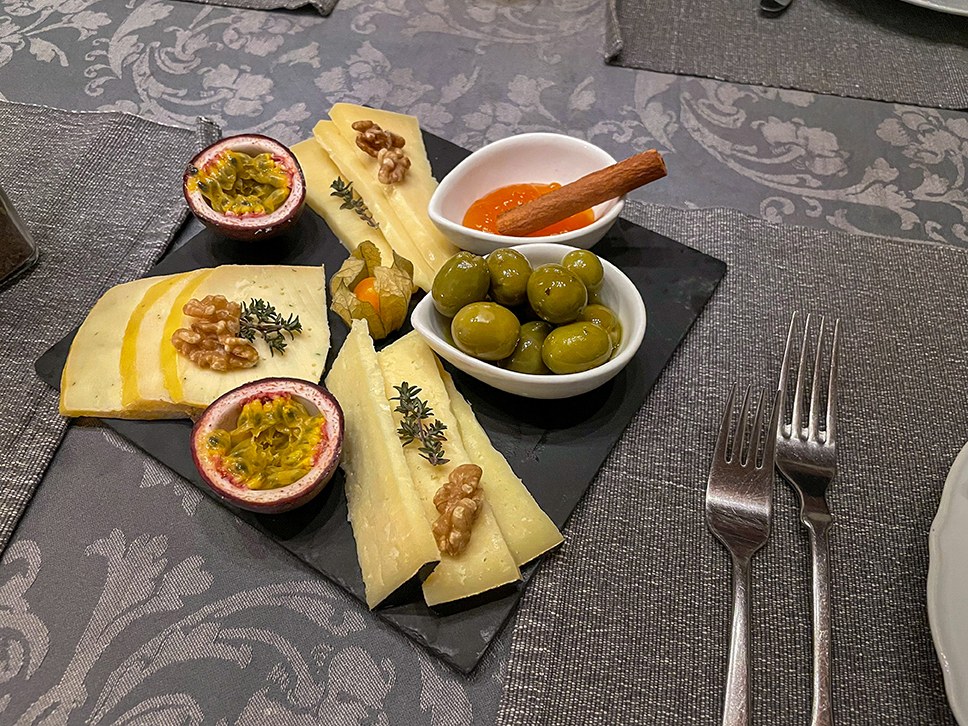
Long and narrow with dramatic cliffs, São Jorge is celebrated for its breathtaking fajãs, scenic hiking trails, and delicious locally produced cheese.
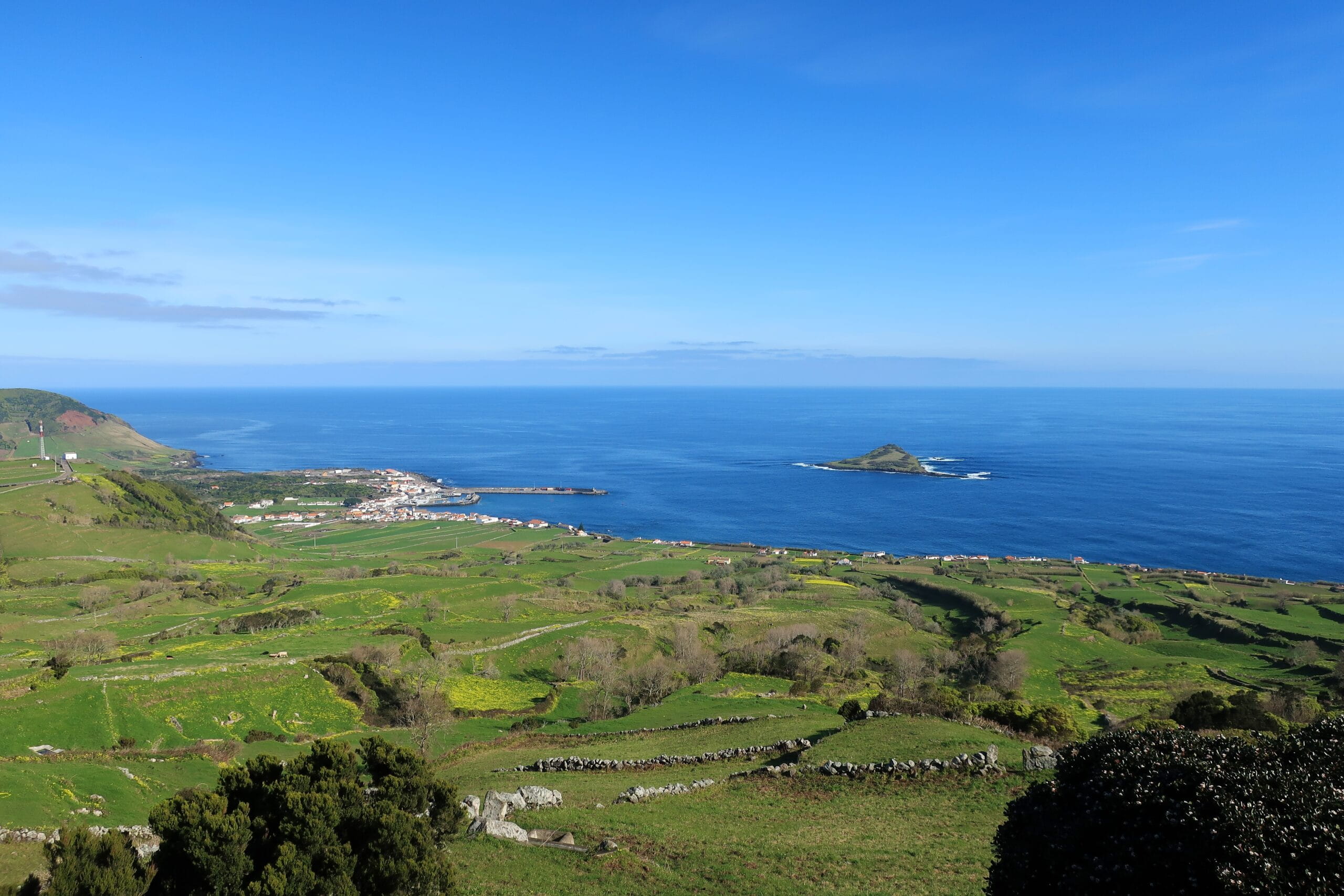
Graciosa
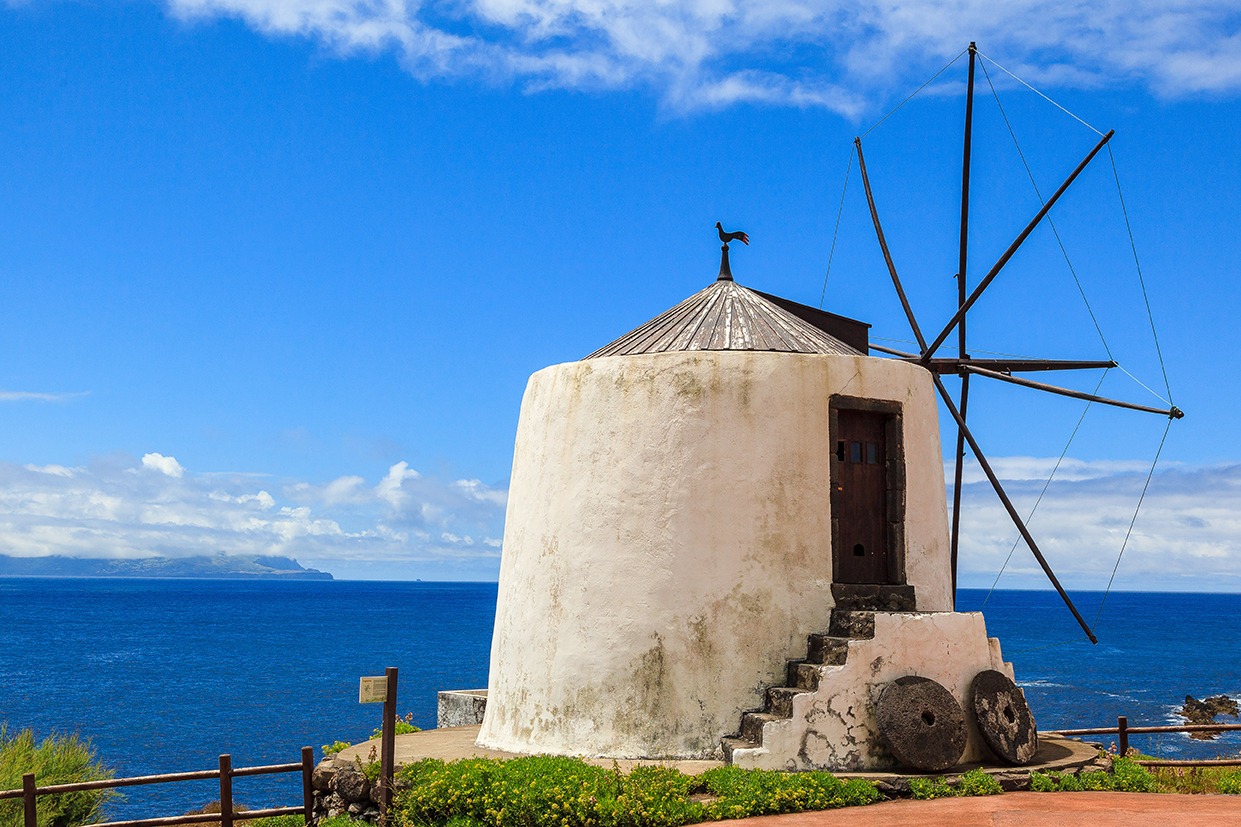
Nicknamed the “White Island,” Graciosa offers peaceful villages, windmills, lava caves, thermal springs, and a UNESCO Biosphere Reserve perfect for travelers seeking tranquility.
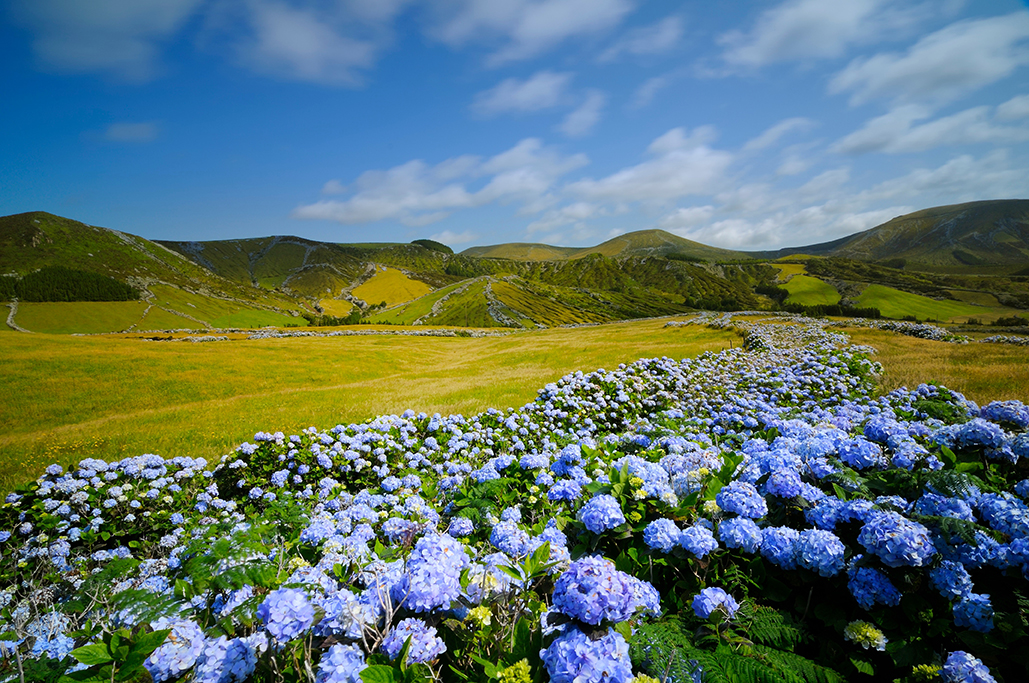
Flores
Often considered the most beautiful island in the Azores, Flores is filled with spectacular waterfalls, emerald crater lakes, lush valleys, and dramatic coastal cliffs.
Corvo
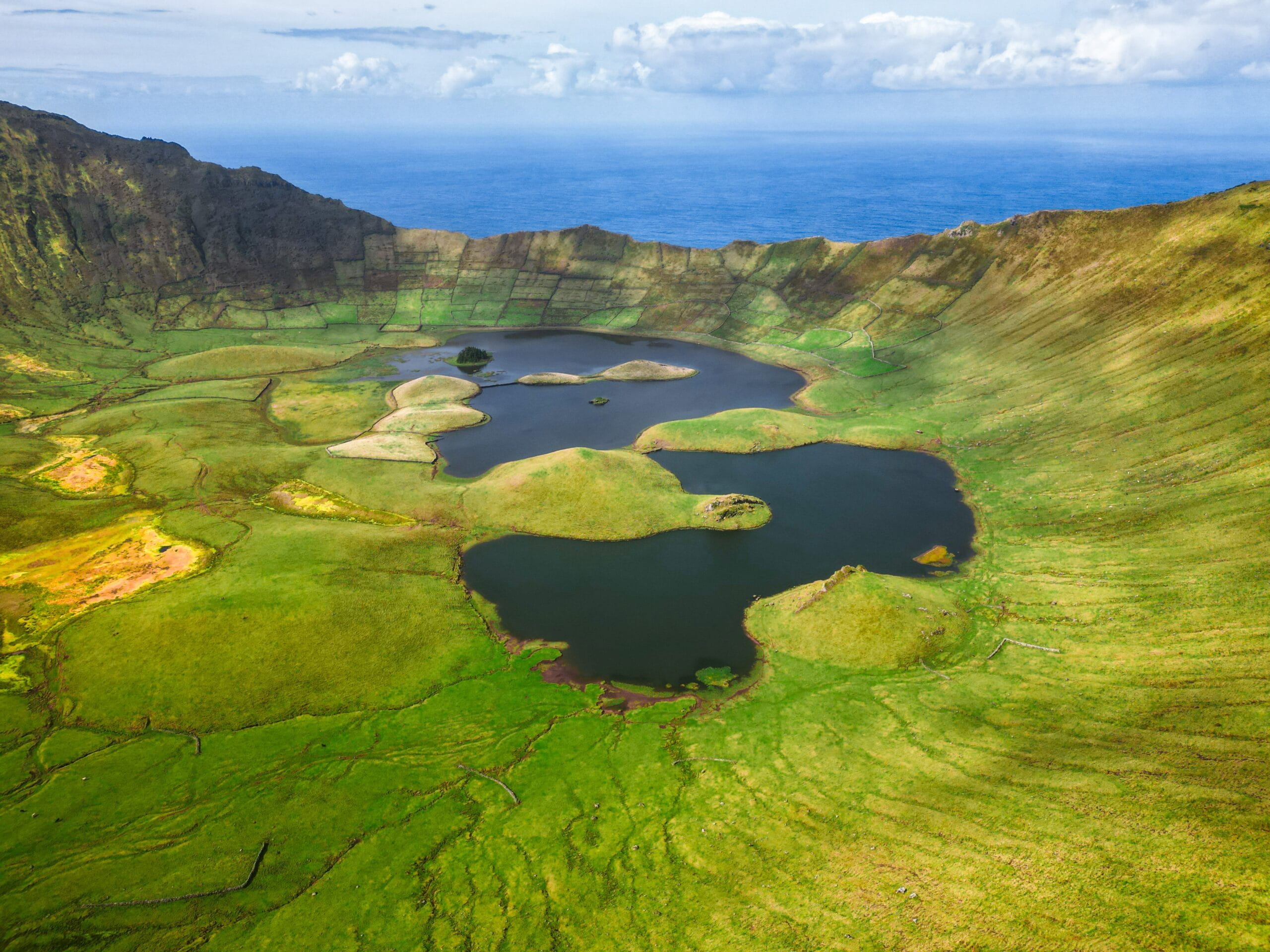
The smallest and most remote island in the archipelago, Corvo, offers quiet charm, incredible birdwatching, and the breathtaking volcanic crater known as Caldeirão.
Top Experiences in the Azores
No matter which island you visit, these experiences belong on every travel itinerary:
Azores Quick Facts
Country
Portugal
Number of Islands
9
Population
Approximately 245,000
Language
Portuguese
Currency
Euro (€)
Timezone
Azores Standard Time (AZOT)
Best Known for
Volcanoes, Crater Lakes, Hiking, Whale Watching, Hot Springs, Waterfalls, and Island Culture
Best Time to Visit the Azores
Thanks to the Azores’ mild maritime climate, there’s no bad time to visit—each season offers its own unique experiences.
Spring (March–June)
Spring transforms the islands into a lush paradise filled with blooming hydrangeas and wildflowers, rushing waterfalls, and vibrant green landscapes. Comfortable temperatures make it one of the best seasons for hiking, sightseeing, birdwatching, and experiencing the traditional Holy Spirit Festivals.
Best for:
Hiking, Nature, Waterfalls, and Festivals
Summer (July–September)
Summer is the busiest travel season, offering warm temperatures, calm seas, and the best conditions for whale watching, swimming, boating, diving, and island hopping. This is also when many of the Azores’ largest cultural festivals take place.
Best for:
Beaches, Whale Watching, Festivals, and Outdoor Adventures
Autumn (October)
Autumn brings cooler temperatures, fewer visitors, and outstanding opportunities for birdwatching and photography. The islands remain beautifully green while dramatic skies create unforgettable scenery.
Best for:
Photography, Birdwatching, and Peaceful Travel
Winter (November–March)
Winter offers a quieter, more relaxed experience. Seasonal rains create spectacular waterfalls while mild temperatures make sightseeing enjoyable year-round. It’s an ideal time to experience authentic island life without the crowds.
Best for:
Relaxation, Scenic Drives, Hot Springs, and Local Culture
Frequently Asked Questions
About Visiting the Azores
Where are the Azores?
The Azores are an autonomous region of Portugal located in the North Atlantic Ocean, roughly halfway between Europe and North America.
How many islands are there?
There are nine inhabited islands, grouped into the Eastern, Central, and Western island groups.
Which island should I visit first?
São Miguel is the most popular first-time destination because it offers a little bit of everything, including volcanic lakes, hot springs, whale watching, hiking, and excellent accommodations.
When is the best time for whale watching?
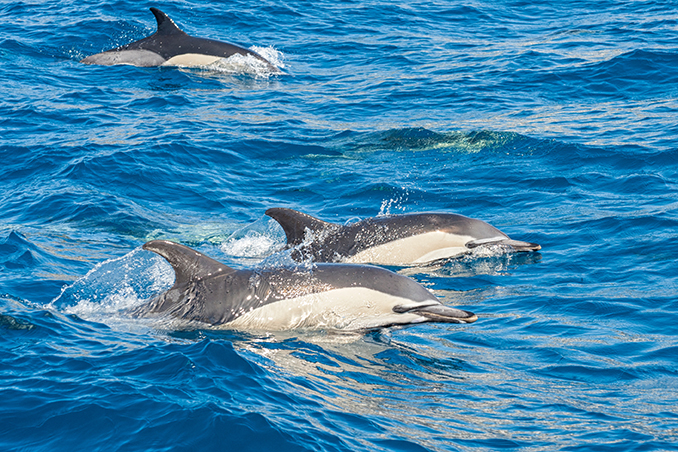
Whale watching is available throughout much of the year, with spring generally offering the greatest variety of whale species.
Do I need a car?
On most islands, renting a car is the easiest way to explore scenic viewpoints, hiking trails, beaches, and small villages at your own pace.
How many days should I spend in the Azores?
A week is enough to explore one or two islands, while two to three weeks allow visitors to experience several islands and enjoy a slower pace of travel.
Which Azores island has the best beaches?
The answer depends on the type of beach experience you’re looking for. Santa Maria is famous for the Azores’ finest golden sand beaches, including Praia Formosa, making it the top choice for traditional beach vacations.
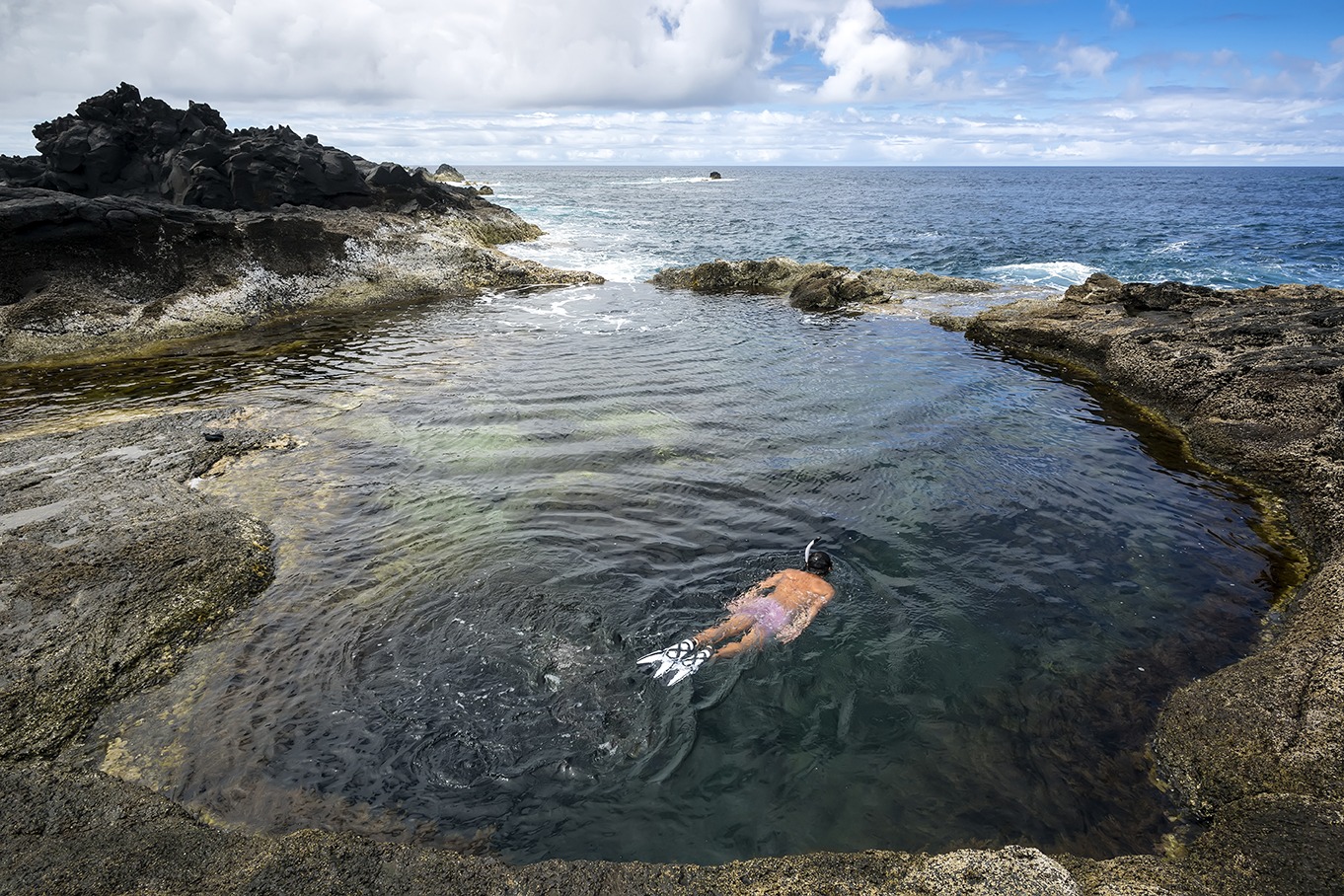
São Miguel offers a mix of black sand beaches, volcanic swimming areas, and beautiful coastal scenery, while Graciosa, Flores, and Faial are known for their natural ocean swimming pools and protected bathing areas. No matter which island you visit, you’ll find unique places to enjoy the Atlantic Ocean.
Can you island hop in the Azores?
Yes! Island hopping is one of the best ways to experience the Azores. Regular flights connect all nine islands, while seasonal ferry service operates between several neighboring islands, especially within the Central Group (Faial, Pico, and São Jorge) and between the Western Group (Flores and Corvo).
If you have one week, consider exploring one or two islands. With two to three weeks, you can experience several islands and discover the unique landscapes, traditions, and culture that make each one special.
Still deciding which island is right for you?
Explore our detailed guides to all nine Azores islands and discover what makes each one unique.

Start Exploring the Azores
Every island has its own story to tell.
From the volcanic lakes and geothermal wonders of São Miguel to the golden beaches of Santa Maria, the rich history of Terceira, the vineyards and mountain landscapes of Pico, the maritime heritage of Faial, the dramatic fajãs of São Jorge, the waterfalls of Flores, the peaceful countryside of Graciosa, and the quiet charm of Corvo, each island offers a unique experience waiting to be discovered.
Explore our detailed island guides to learn about each island’s history, must-see attractions, hiking trails, local festivals, traditional cuisine, travel tips, and hidden gems. Whether you’re planning your first trip to the Azores, creating the perfect island-hopping itinerary, or returning to reconnect with your Portuguese heritage, you’ll find inspiration, practical advice, and authentic local insights every step of the way.
Take your time. Explore at your own pace. Every island offers something different, but together they reveal the remarkable beauty, culture, and spirit of the Azores.
Whether you’re planning a week on São Miguel or dreaming of exploring every island, we hope these guides help you experience the Azores with curiosity, respect, and a sense of adventure.
Your Azores journey begins here.